
The Weight of the Last Move
Why We Train for Finality

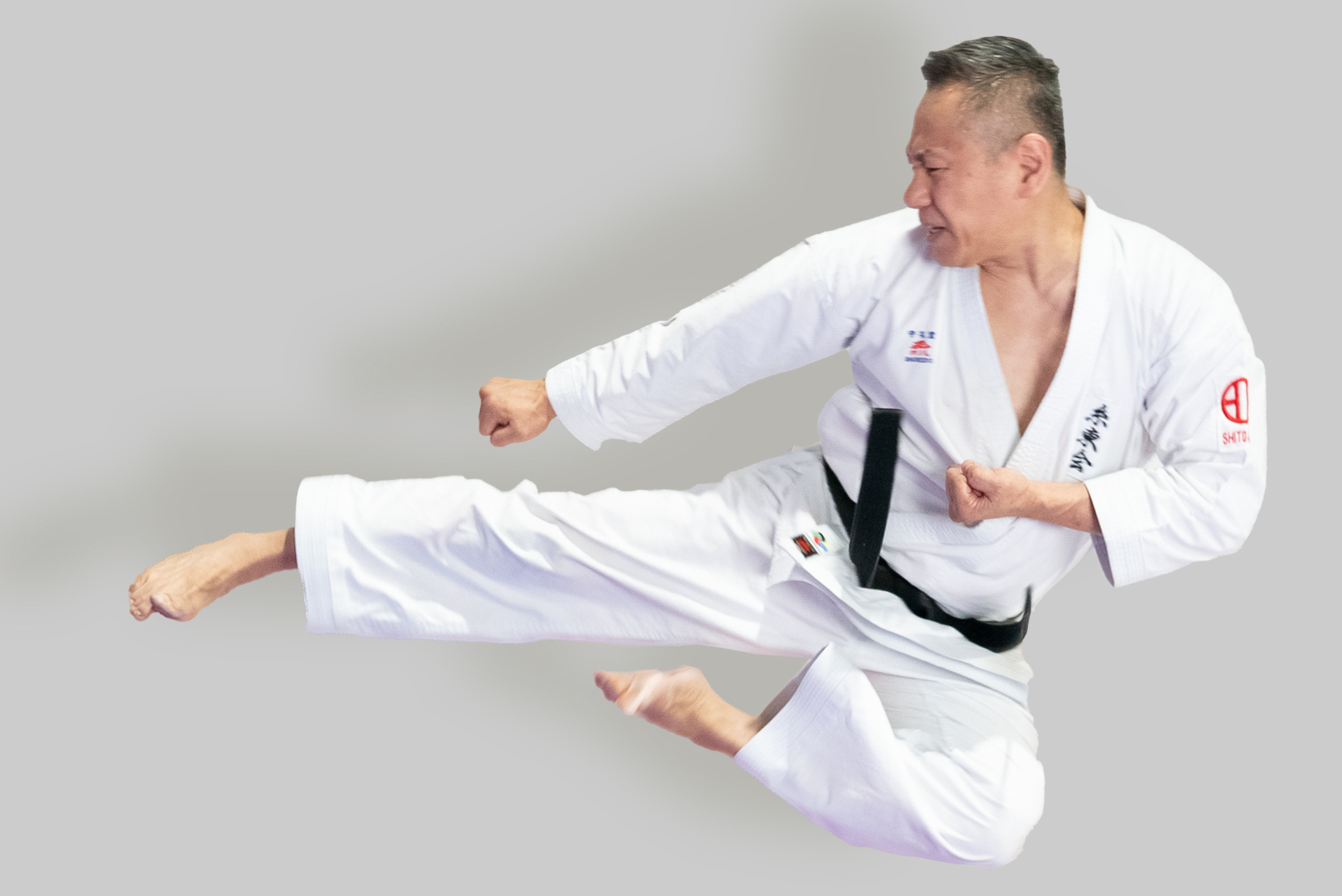
In most sports, if you mess up a play, you get a reset. You huddle up, check the clock, and try again. But when we talk about technique at the dojo, we focus on a concept called finality. It is the idea that every movement should be treated as if it is the only one you get.
This isn’t about being aggressive or trying to look tough. It is actually a very sober, practical way of looking at how we move.
Commitment over speed
When people hear the word finality, they often think of moving fast or hitting hard. In reality, finality usually looks quite calm. It is the total absence of hesitation.
In a lot of our drills, you might see someone “double-clutch” or pause halfway through a movement because they are unsure. That hesitation is a gap. In a real application, that gap is where things go wrong. Training for finality means that once you decide to move, you commit your entire body to the path. You aren’t “testing” the technique to see if it works. You are executing it because you’ve already done the work to ensure it does.
The responsibility of being effective
There is a specific weight that comes with learning techniques that actually work. If a movement is final, it means it has the potential to end an interaction decisively.
This is why we talk so much about restraint. The more capable you are of finishing a technique, the more responsibility you have to handle your partner with care. True strength is being able to apply that finality with enough control that you don’t cause unnecessary harm. We frame discipline as a form of care. You owe it to the person you are training with to be precise, not just powerful.
Awareness doesn’t have an off switch
Finality also applies to what happens after the technique is technically “done.” If you finish a move and immediately drop your hands or turn your back to check the clock, the technique wasn’t actually final.
We practice staying present until the environment is actually safe. This lingering awareness is what connects the physical move to your actual surroundings. It is the difference between performing a routine and practicing a martial art.
Why we practice this way
We focus on finality because it forces us to be honest with ourselves. It’s easy to go through the motions when you know there is a “round two.” It is much harder to maintain the intention required to treat every single rep as the last move of the day.
By prioritizing this mindset, we develop a type of composure that stays with us when we leave the mats. When you learn how to commit fully to a physical movement, it becomes a lot easier to act with that same clarity and responsibility in the rest of your life.
Train with us in Des Moines Nakata Dojo provides a space for traditional martial arts and karate in the Des Moines metro area. If you are looking for beginner martial arts classes that prioritize discipline, awareness, and long-term growth, we invite you to join us on the mats.